

View More
View More
Sarkhej Roza
Heritage Architecture
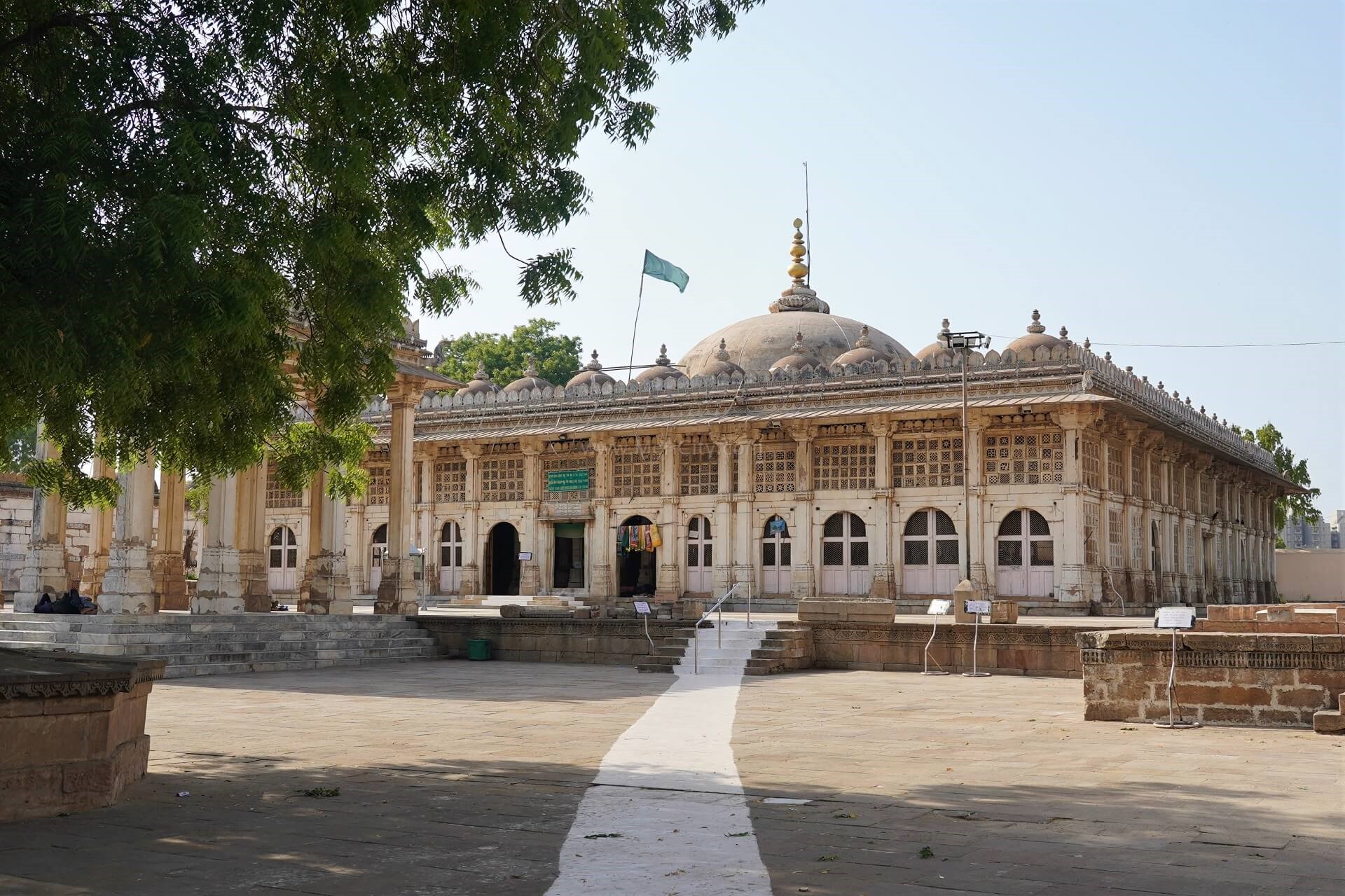
Sarkhej Roza is one of Ahmedabad’s most significant heritage complexes, known for its remarkable blend of Indo-Islamic, Persian and Indian architectural influences. Dating back to the 15th century, the complex was developed during the reign of Sultan Ahmed Shah and Sultan Mahmud Begada, reflecting the architectural vision and cultural richness of Gujarat’s medieval era.
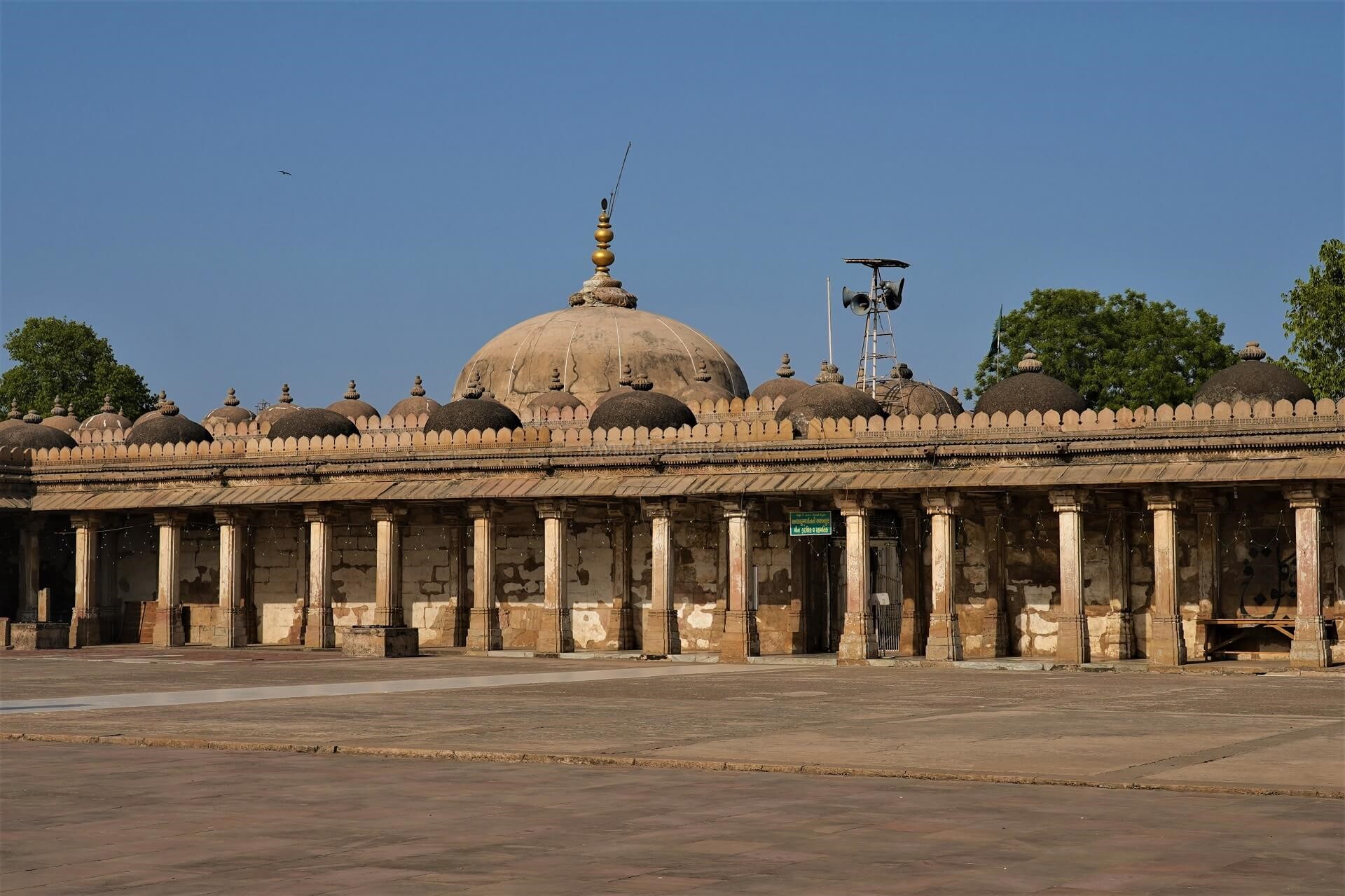
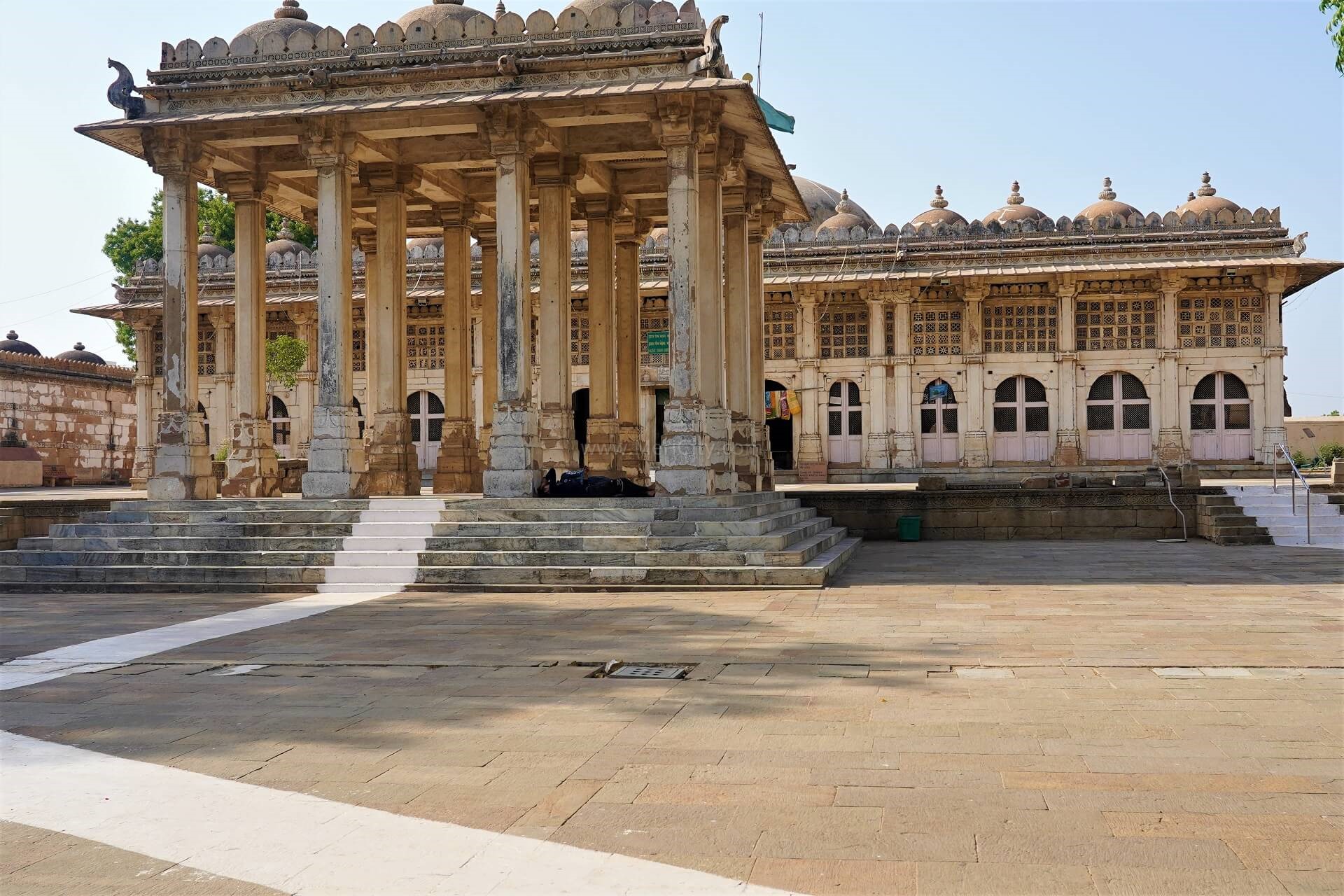
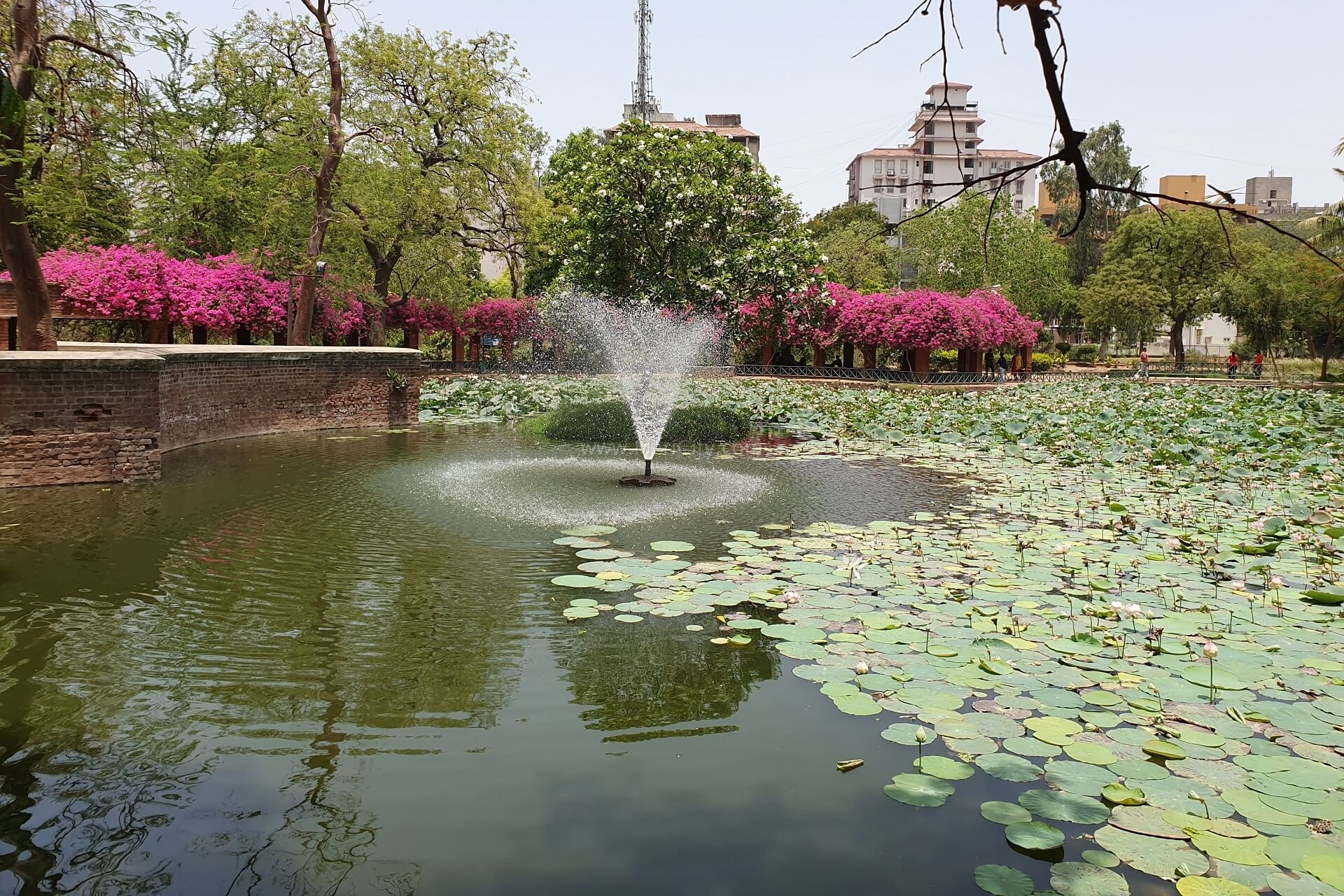
The complex features intricately carved tombs, a serene mosque, elegant pavilions and a large artificial lake that once formed an important part of the site’s water system. Its expansive layout, symmetrical design and distinctive architectural details create a peaceful setting that stands apart from the bustle of the city.
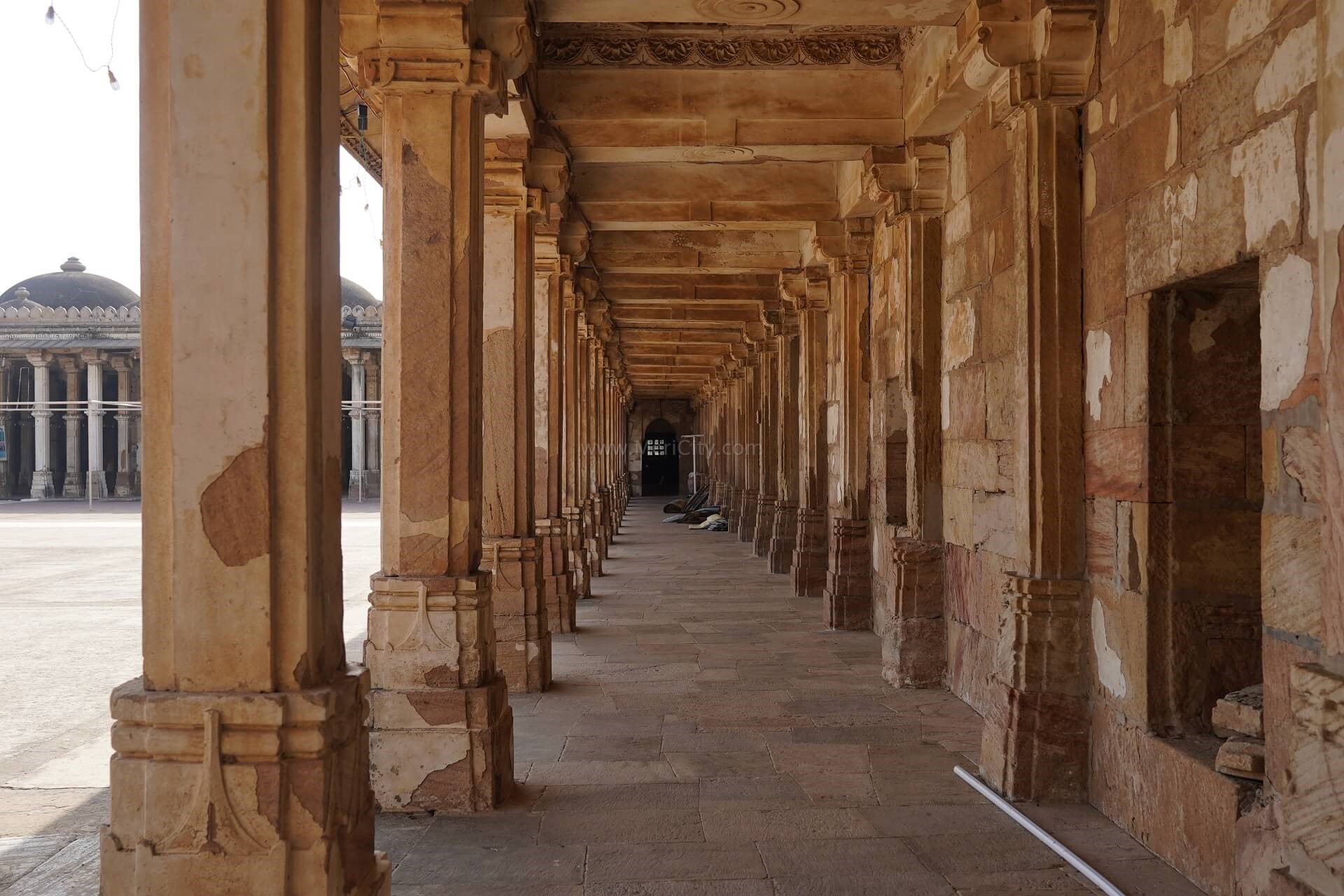
Often referred to as the “Acropolis of Ahmedabad,” Sarkhej Roza holds an important place in the city’s architectural and cultural heritage. The complex is particularly admired for its stone craftsmanship, ornamental details, geometric forms and harmonious integration of buildings with the surrounding landscape.
Beyond its architectural appeal, Sarkhej Roza offers a glimpse into Ahmedabad’s rich history and the traditions that shaped Gujarat’s built heritage. Its tranquil surroundings and distinctive character make it a popular destination for historians, architects, photographers and visitors interested in the city’s past.
From its beautifully detailed structures to the quiet expanse of its historic lake, Sarkhej Roza presents a fascinating combination of history, architecture and atmosphere. It remains one of Ahmedabad’s enduring heritage landmarks and a remarkable example of the region’s medieval architectural legacy.
Highlights
Mosque, tombs, palace, and stepwell
Islamic, Hindu and Jain architectural elements
Spiritual center of Gujarat Sultanate
Ideal for heritage and culture lovers
Best explored by cab or auto
How to Reach?



Nearby Places to Visit

Sarkhej Roza
Heritage Architecture
How to Reach?
Description
Sarkhej Roza is one of Ahmedabad’s most significant heritage complexes, known for its remarkable blend of Indo-Islamic, Persian and Indian architectural influences. Dating back to the 15th century, the complex was developed during the reign of Sultan Ahmed Shah and Sultan Mahmud Begada, reflecting the architectural vision and cultural richness of Gujarat’s medieval era.
The complex features intricately carved tombs, a serene mosque, elegant pavilions and a large artificial lake that once formed an important part of the site’s water system. Its expansive layout, symmetrical design and distinctive architectural details create a peaceful setting that stands apart from the bustle of the city.
Often referred to as the “Acropolis of Ahmedabad,” Sarkhej Roza holds an important place in the city’s architectural and cultural heritage. The complex is particularly admired for its stone craftsmanship, ornamental details, geometric forms and harmonious integration of buildings with the surrounding landscape.
Beyond its architectural appeal, Sarkhej Roza offers a glimpse into Ahmedabad’s rich history and the traditions that shaped Gujarat’s built heritage. Its tranquil surroundings and distinctive character make it a popular destination for historians, architects, photographers and visitors interested in the city’s past.
From its beautifully detailed structures to the quiet expanse of its historic lake, Sarkhej Roza presents a fascinating combination of history, architecture and atmosphere. It remains one of Ahmedabad’s enduring heritage landmarks and a remarkable example of the region’s medieval architectural legacy.
 2026 MeriCity Solutions Pvt. Ltd.