

View More
View More
Rani no Hajiro
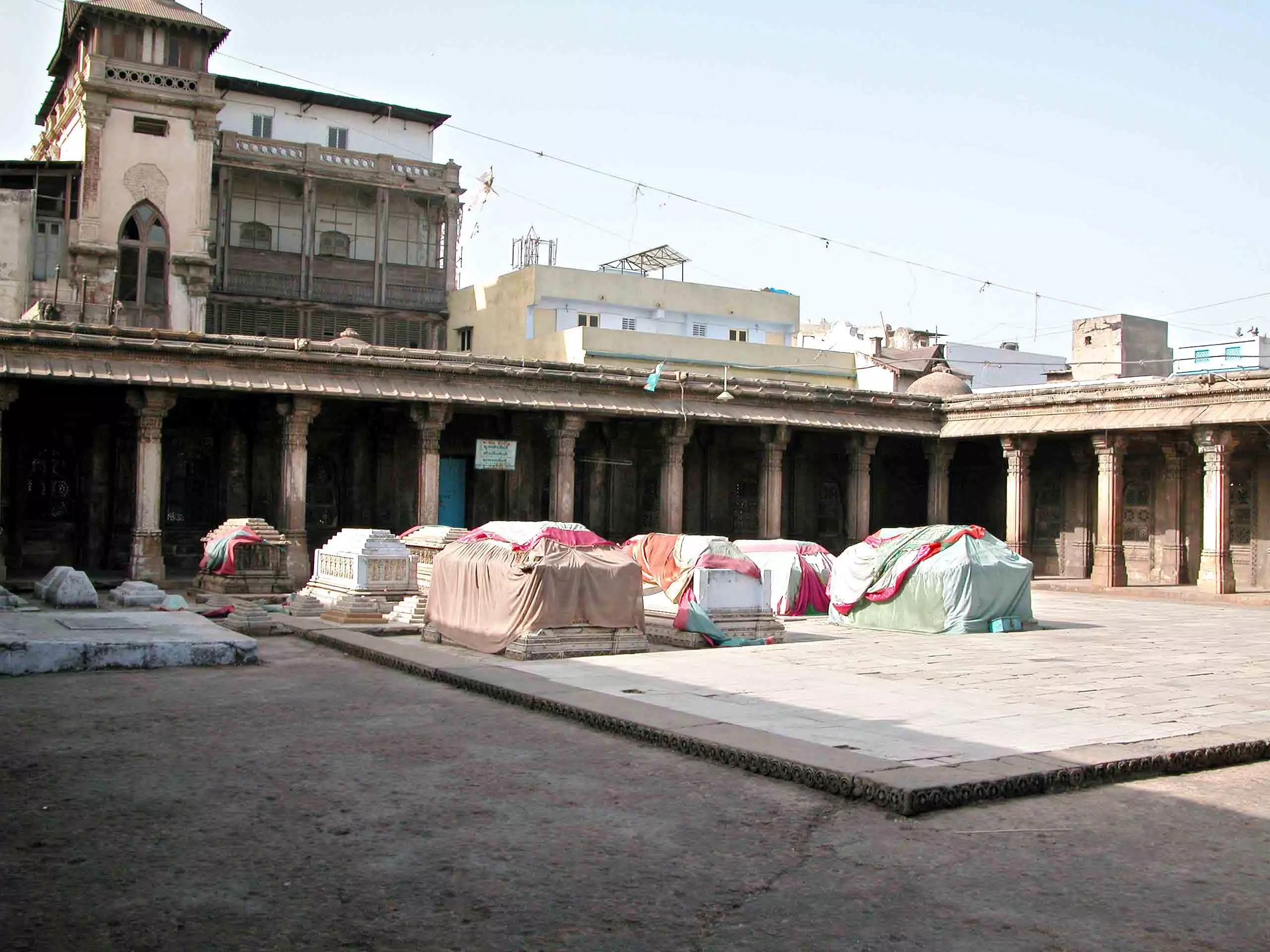
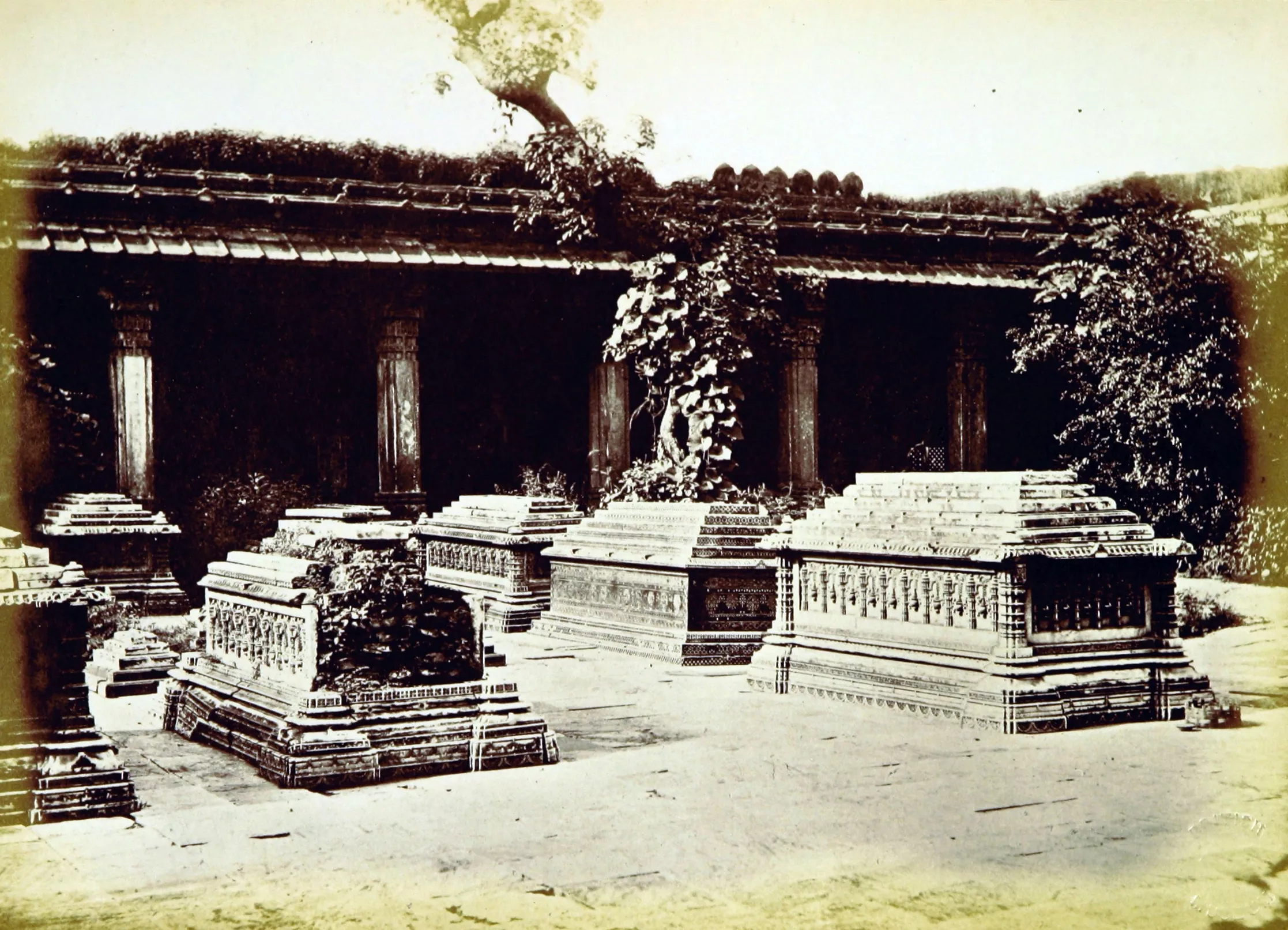
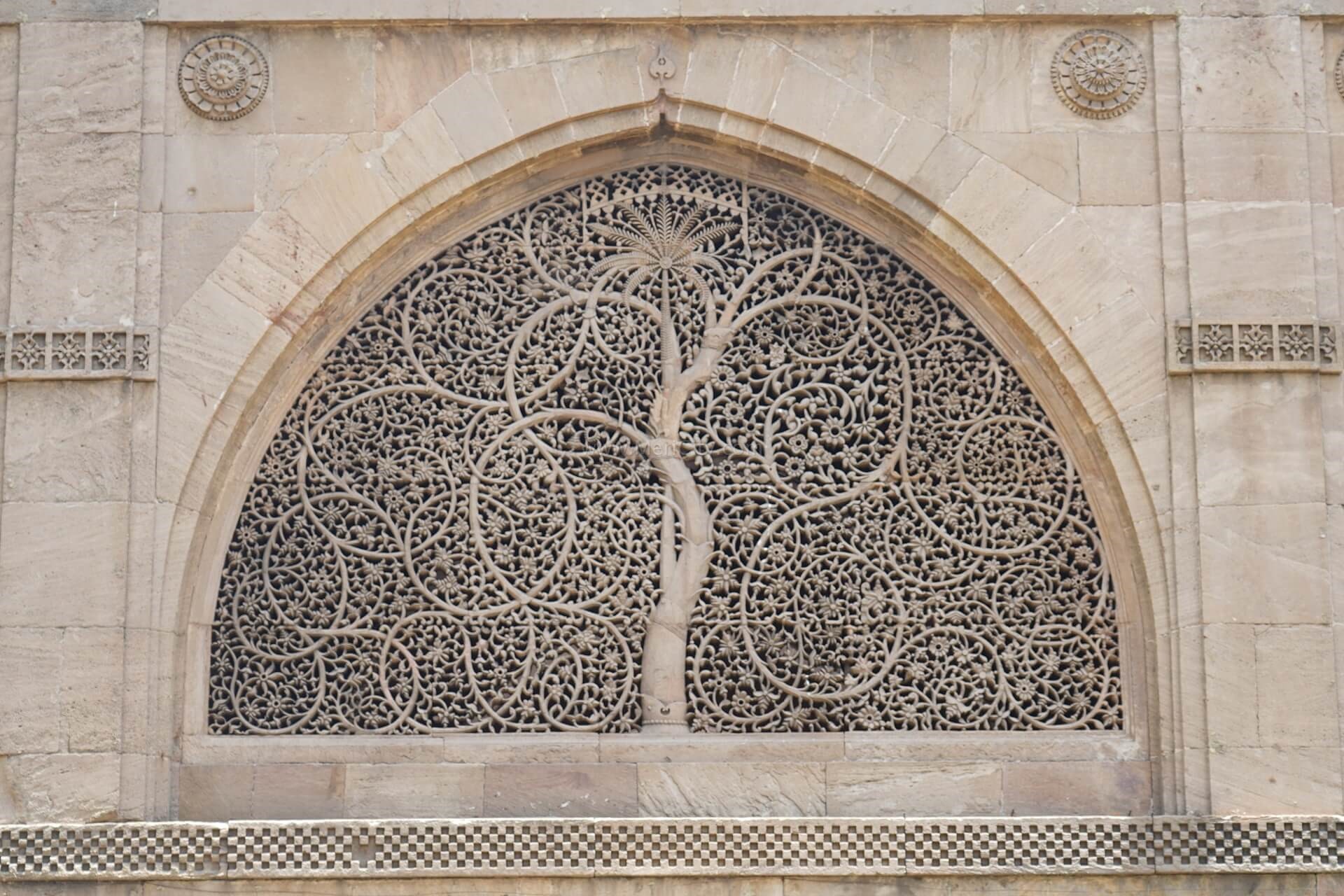
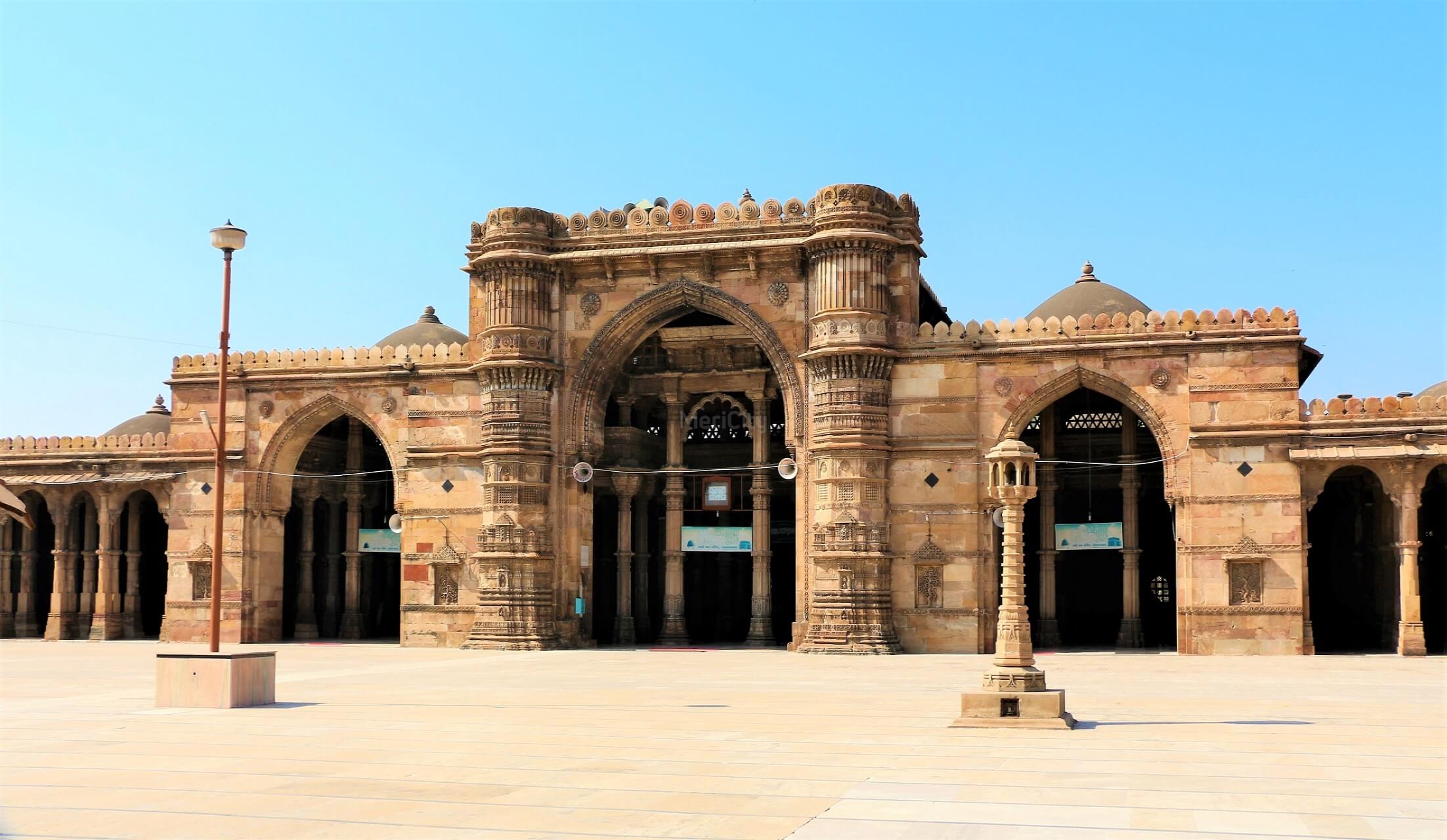
The great sultan Ahmed Shah erected Rani no Hajiro in the 15th century. The hajiro is a burial vault that served as the final resting place for the empire's queens. This custom was carried forward by subsequent rulers of the region. The stone walls that encircle these graves on the outside are finely sculpted. The craft of brocade, which dates back to Gujarat's heritage, was introduced during Ahmed Shah's rule. The queens' graves were covered with this magnificent hand woven Zari linen. The unusual open-air architecture of the courtyard is thought to have been erected in response to Ahmad Shah's queen's wish.It was unusual since the design had previously included a huge dome covering the cemetery and enclosing it in an ambulatory.
Rani no Hajiro is a magnificent example of Hindu, Jain, and Islamic culture, with elaborate design and carving work on the walls and domes. To promote peace and cleanliness, the burial area or the inner region is kept sealed. The property is cared after by a family of stewards who have been doing it for nearly five generations. They make certain that it remains untouched and unadulterated.
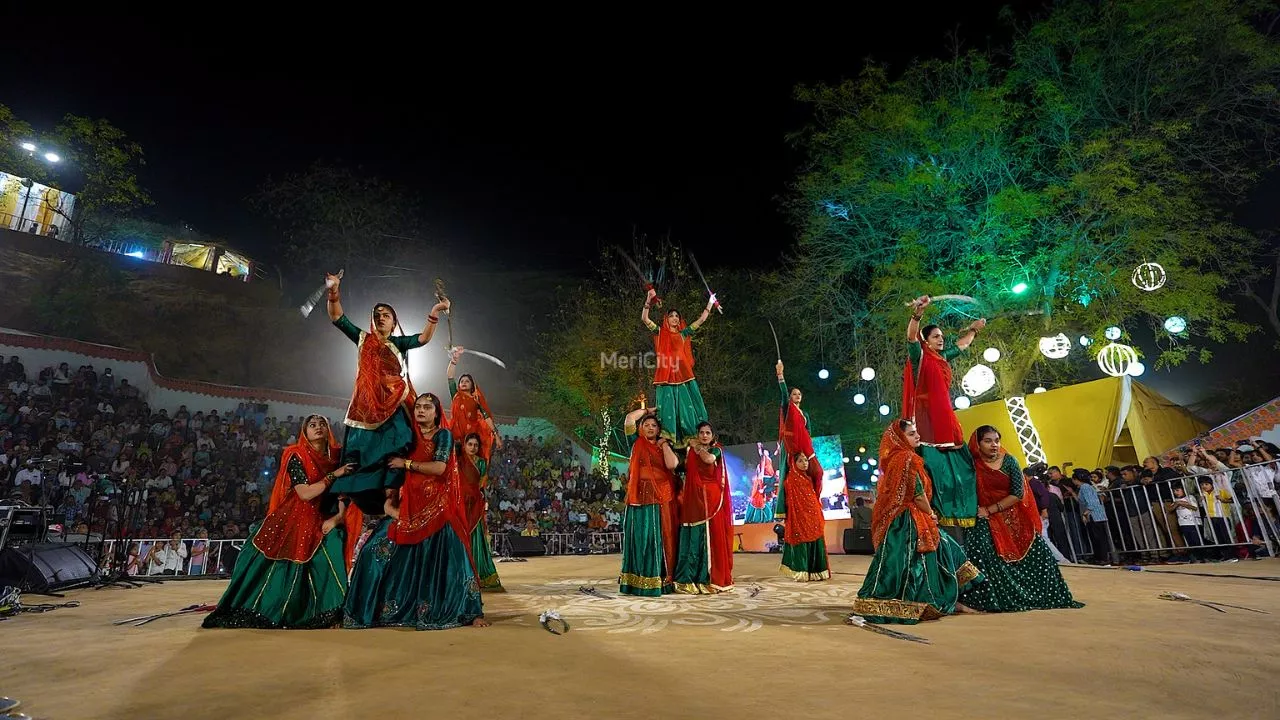
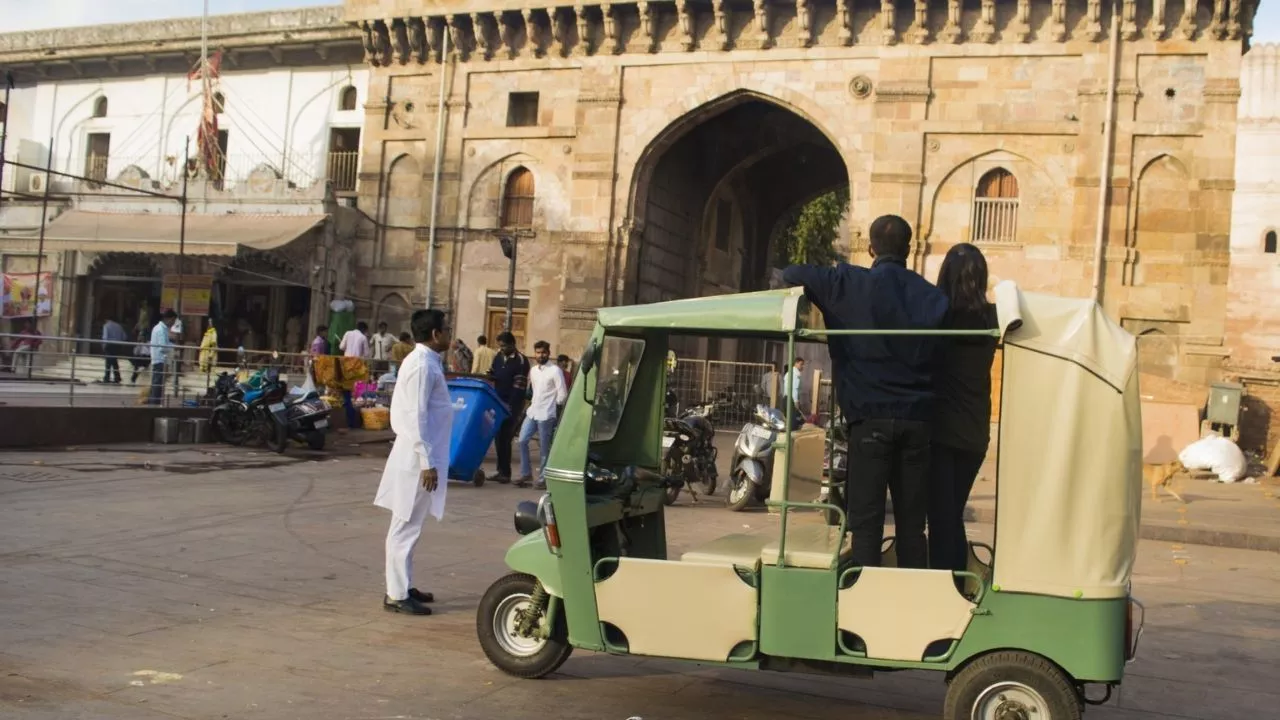
The street leading up to the Rani no Hajiro (Queen's tomb) is known for its market of women's apparel, jewellery, and accessories. This route becomes congested and vibrant during Navratri and other Gujarati festivals. Traditional Garba sarees and bandhani sarees, as well as a variety of cuisines, are sold here.
How to Reach?



Nearby Places to Visit
Rani no Hajiro
How to Reach?
Description
The great sultan Ahmed Shah erected Rani no Hajiro in the 15th century. The hajiro is a burial vault that served as the final resting place for the empire's queens. This custom was carried forward by subsequent rulers of the region. The stone walls that encircle these graves on the outside are finely sculpted. The craft of brocade, which dates back to Gujarat's heritage, was introduced during Ahmed Shah's rule. The queens' graves were covered with this magnificent hand woven Zari linen. The unusual open-air architecture of the courtyard is thought to have been erected in response to Ahmad Shah's queen's wish.It was unusual since the design had previously included a huge dome covering the cemetery and enclosing it in an ambulatory.
Rani no Hajiro is a magnificent example of Hindu, Jain, and Islamic culture, with elaborate design and carving work on the walls and domes. To promote peace and cleanliness, the burial area or the inner region is kept sealed. The property is cared after by a family of stewards who have been doing it for nearly five generations. They make certain that it remains untouched and unadulterated.
The street leading up to the Rani no Hajiro (Queen's tomb) is known for its market of women's apparel, jewellery, and accessories. This route becomes congested and vibrant during Navratri and other Gujarati festivals. Traditional Garba sarees and bandhani sarees, as well as a variety of cuisines, are sold here.
 2026 MeriCity Solutions Pvt. Ltd.